2025
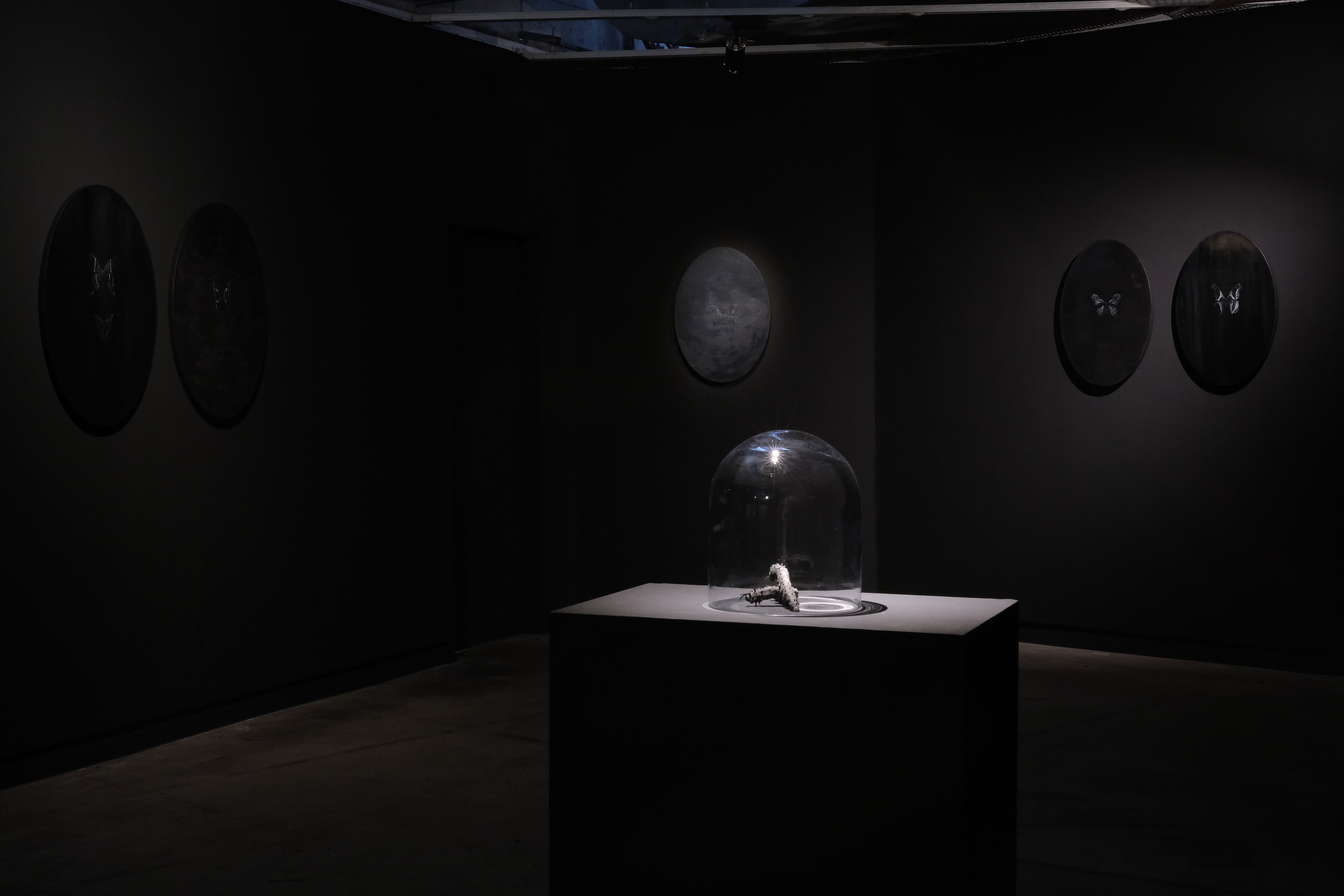
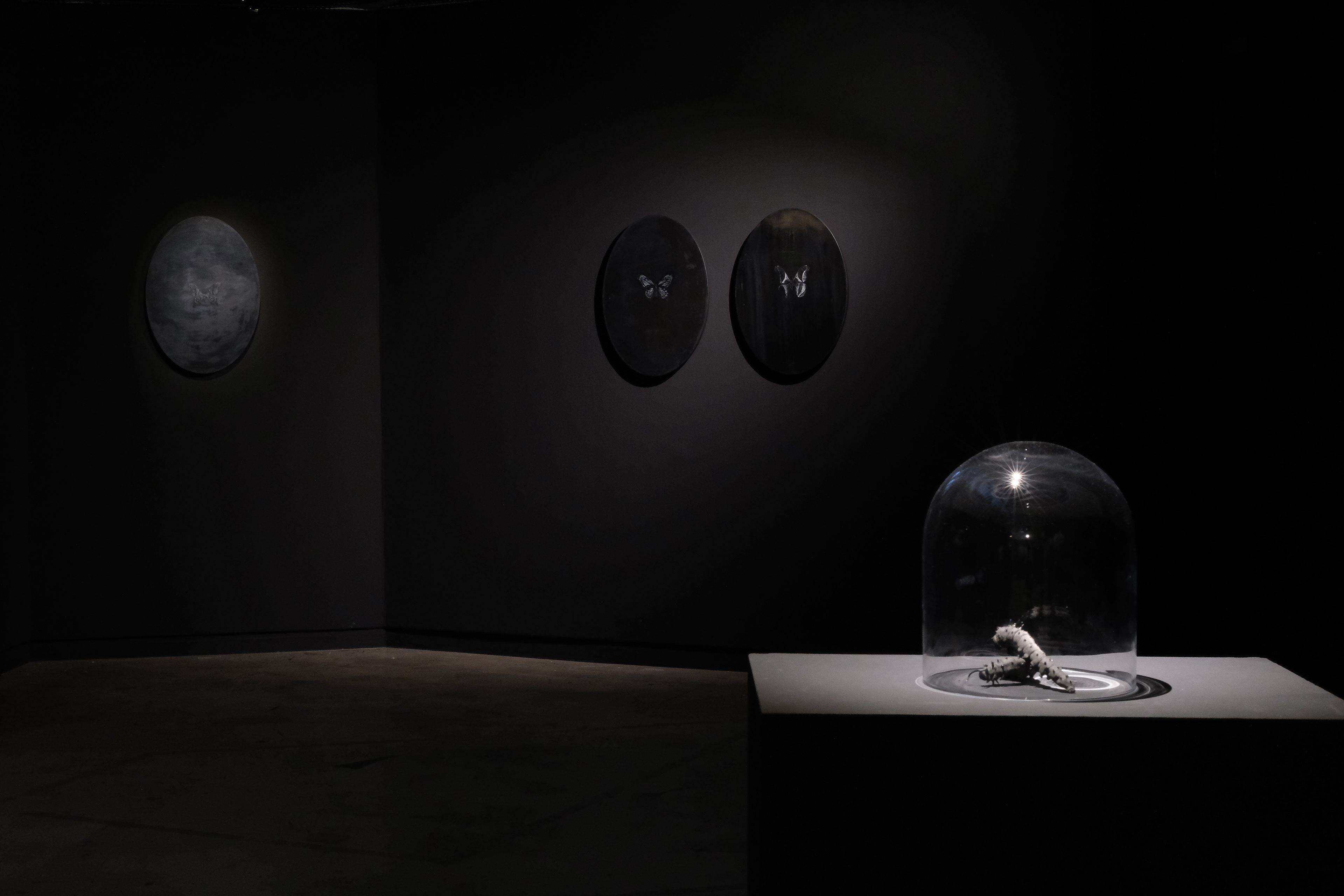
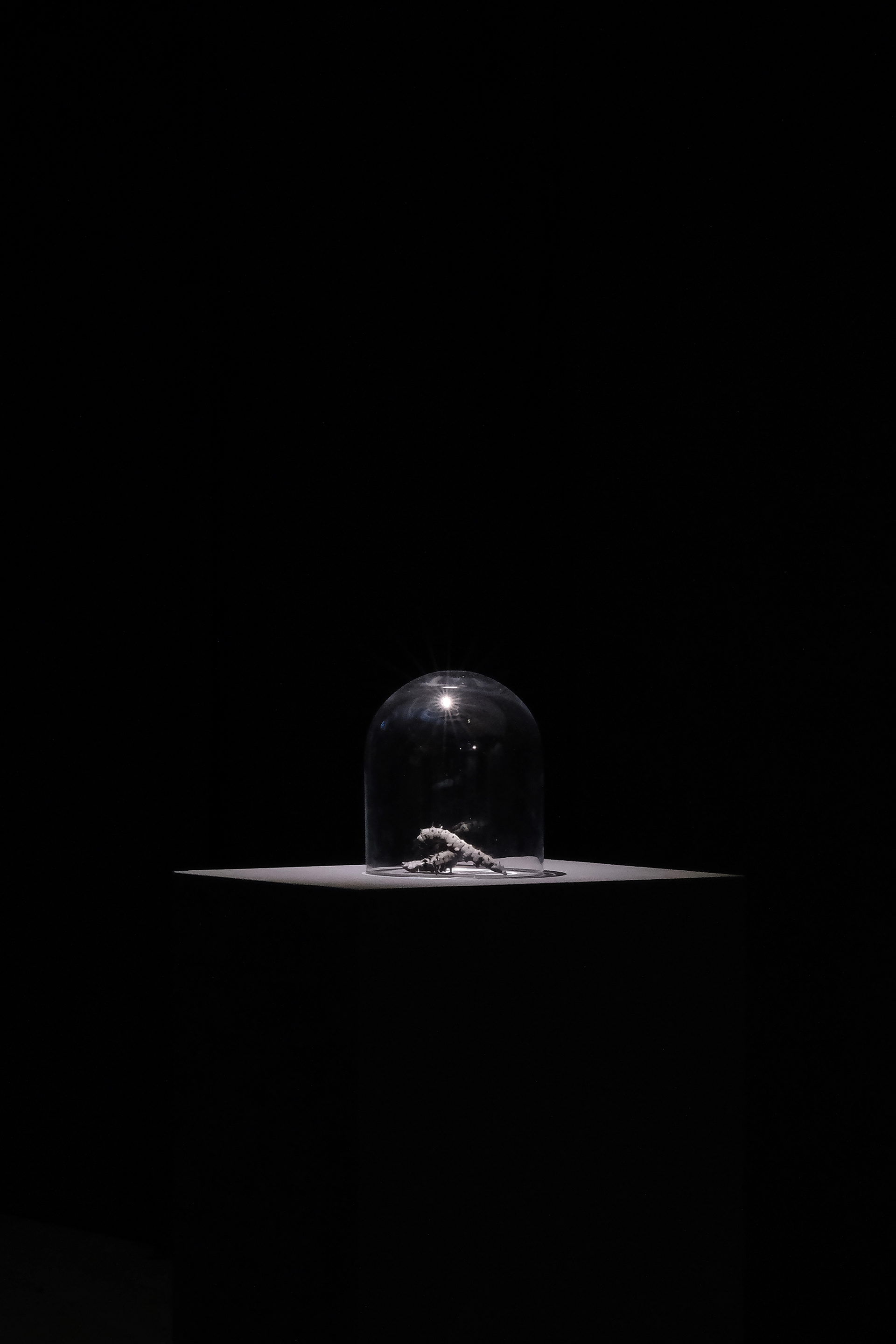
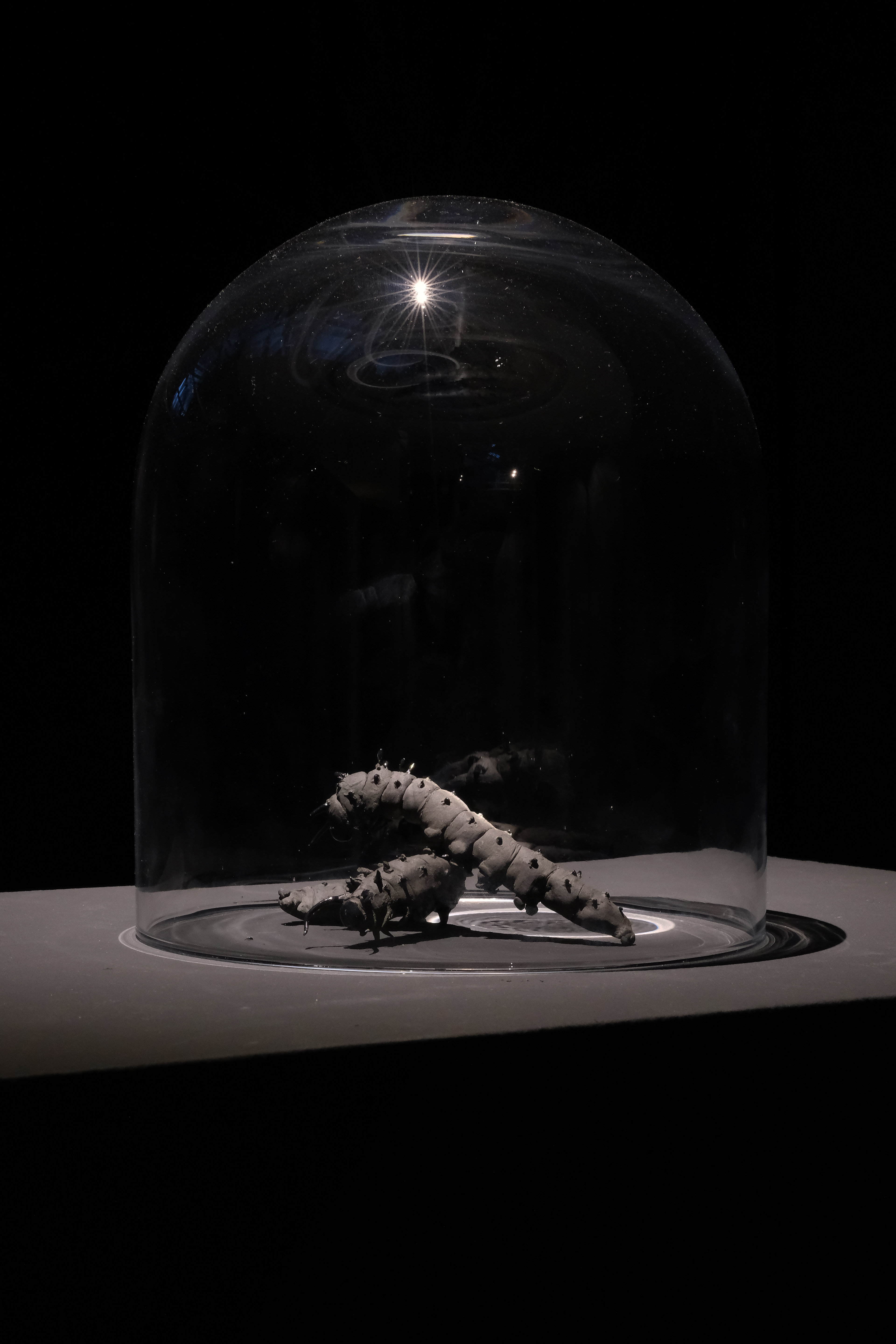
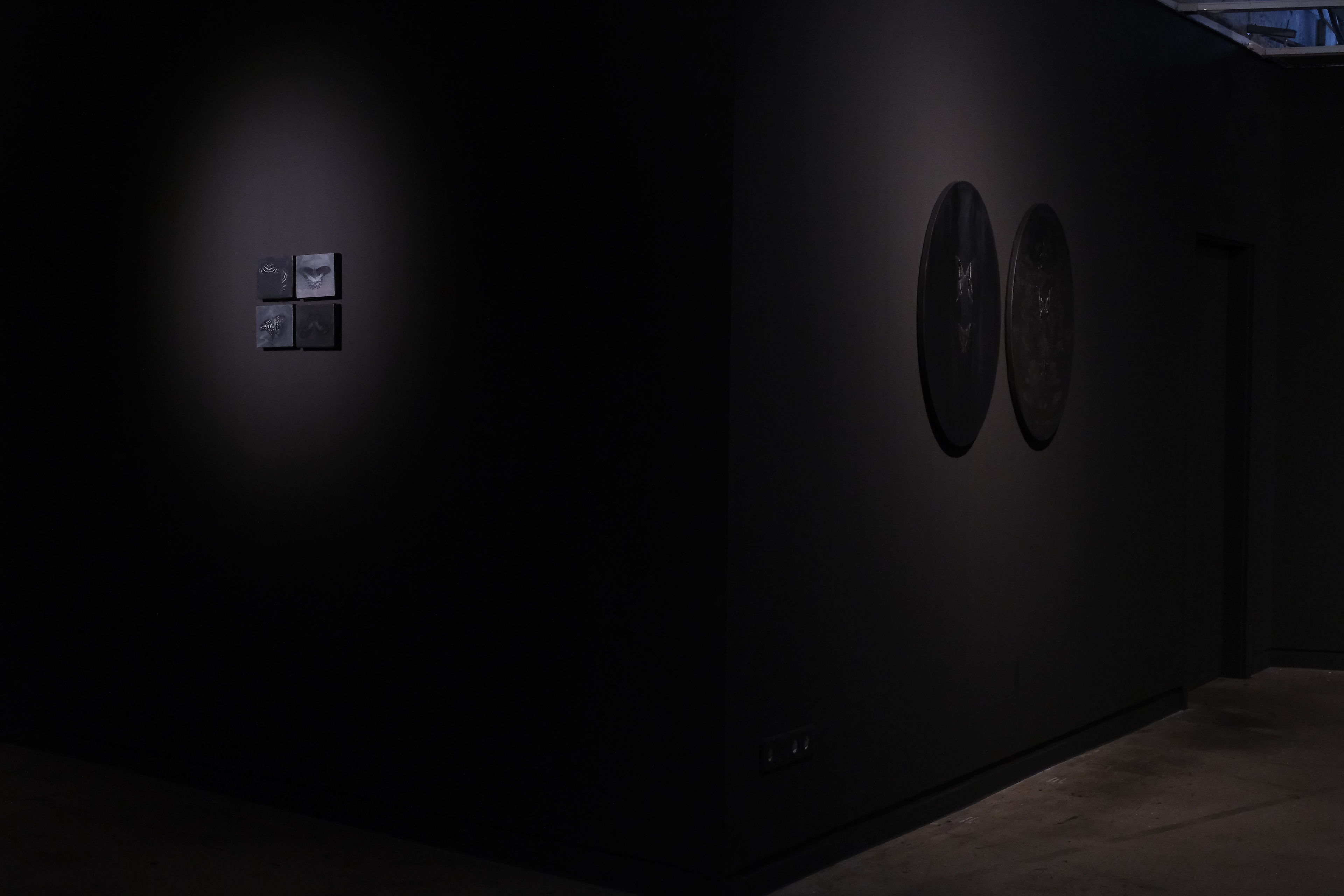
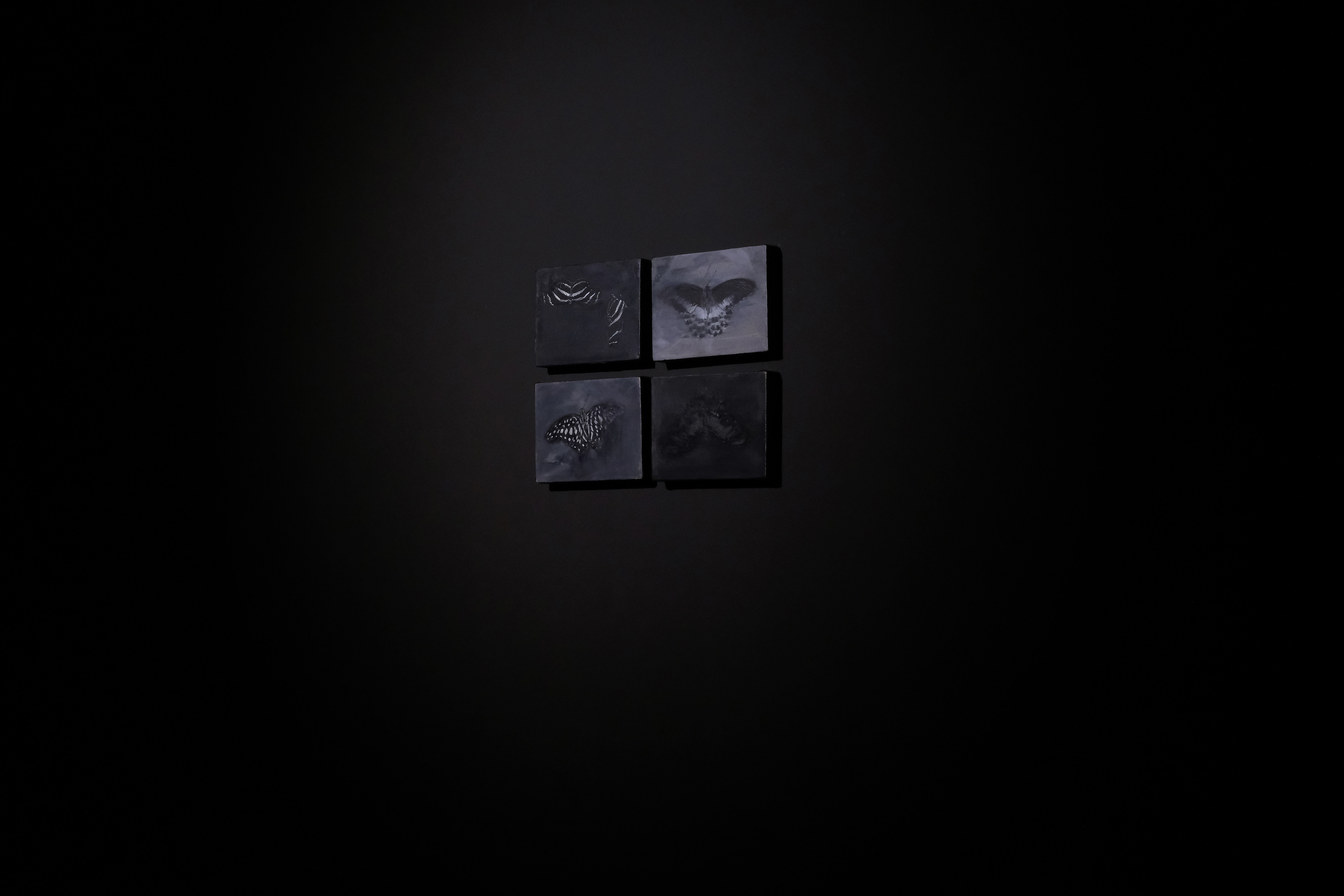
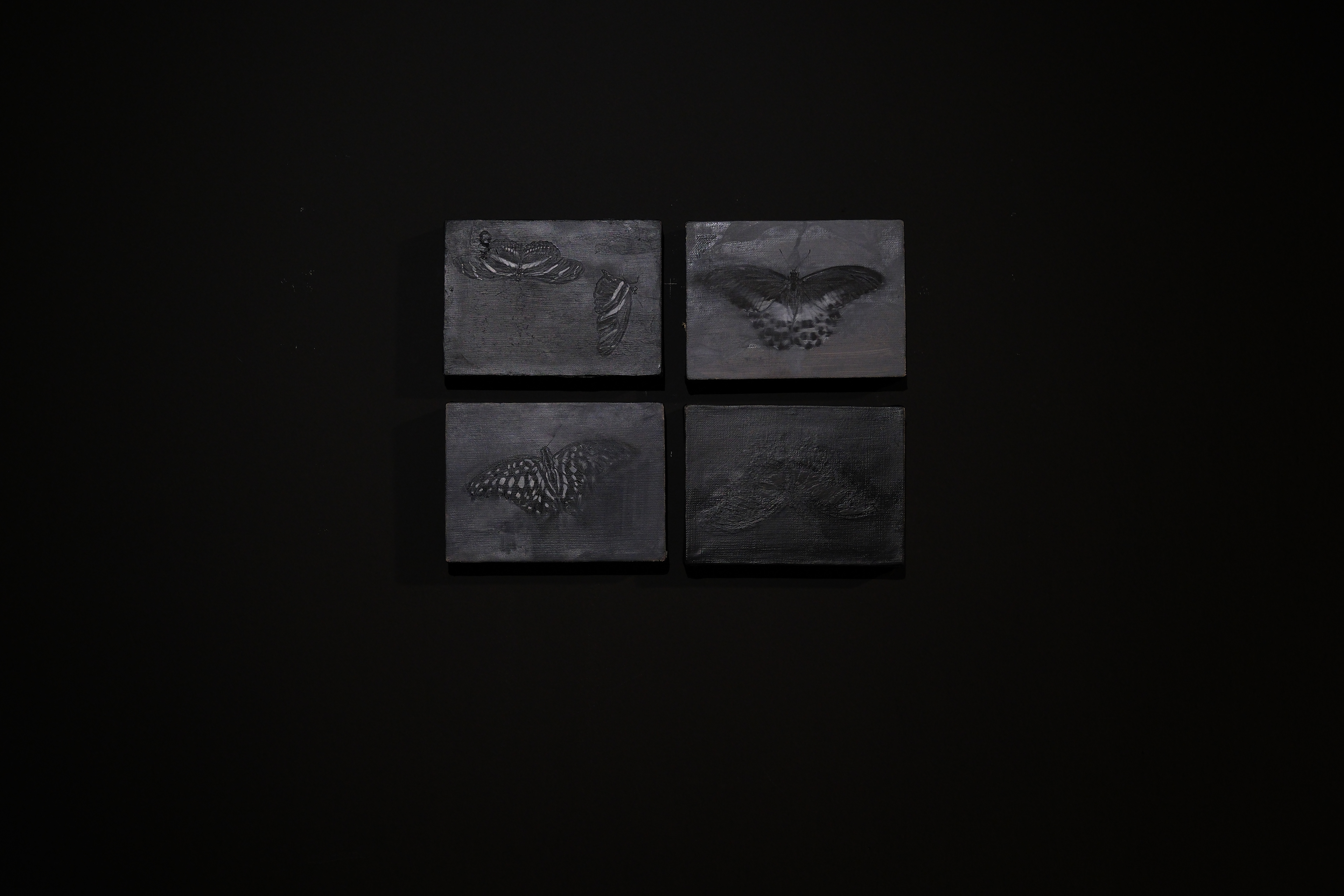
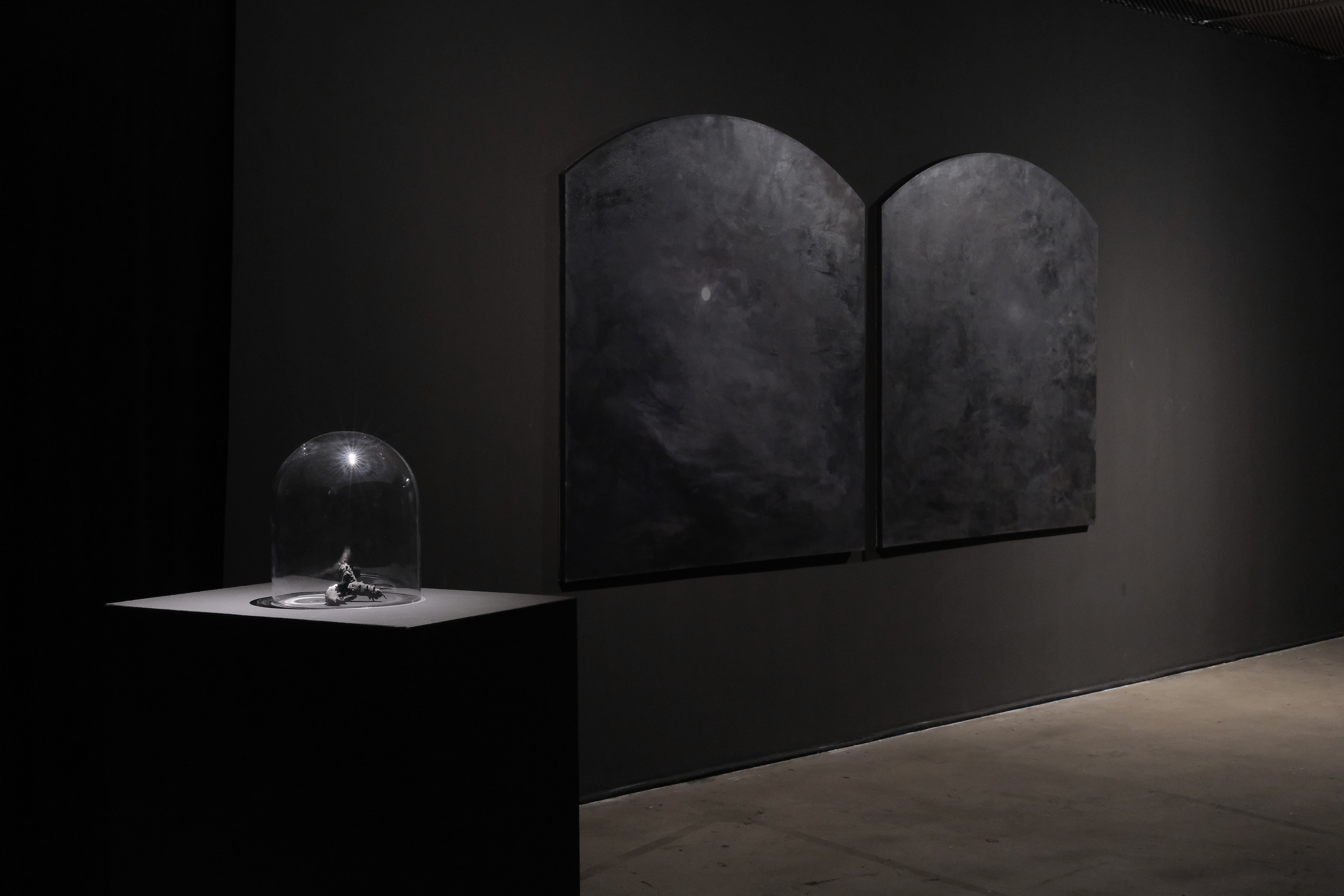
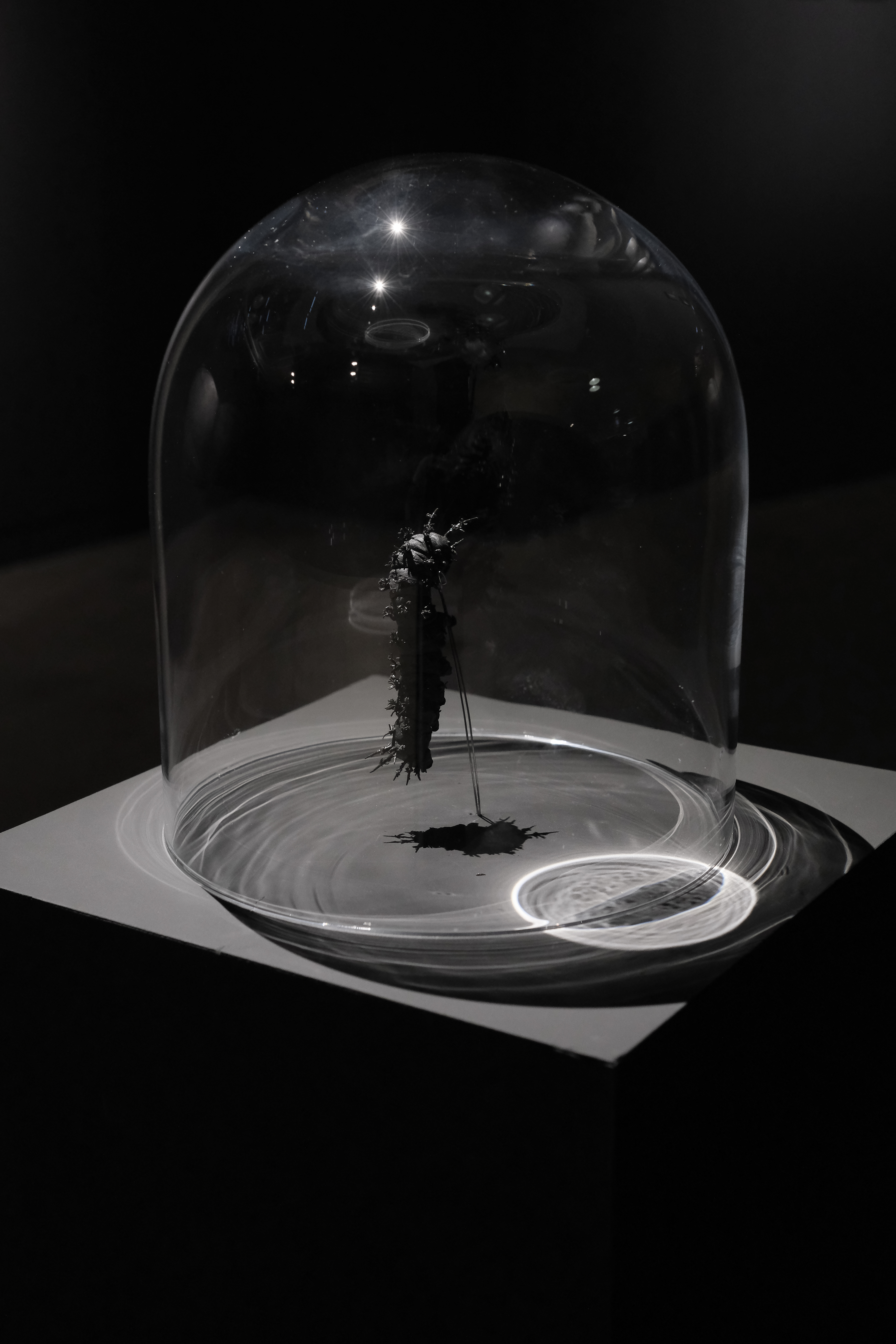
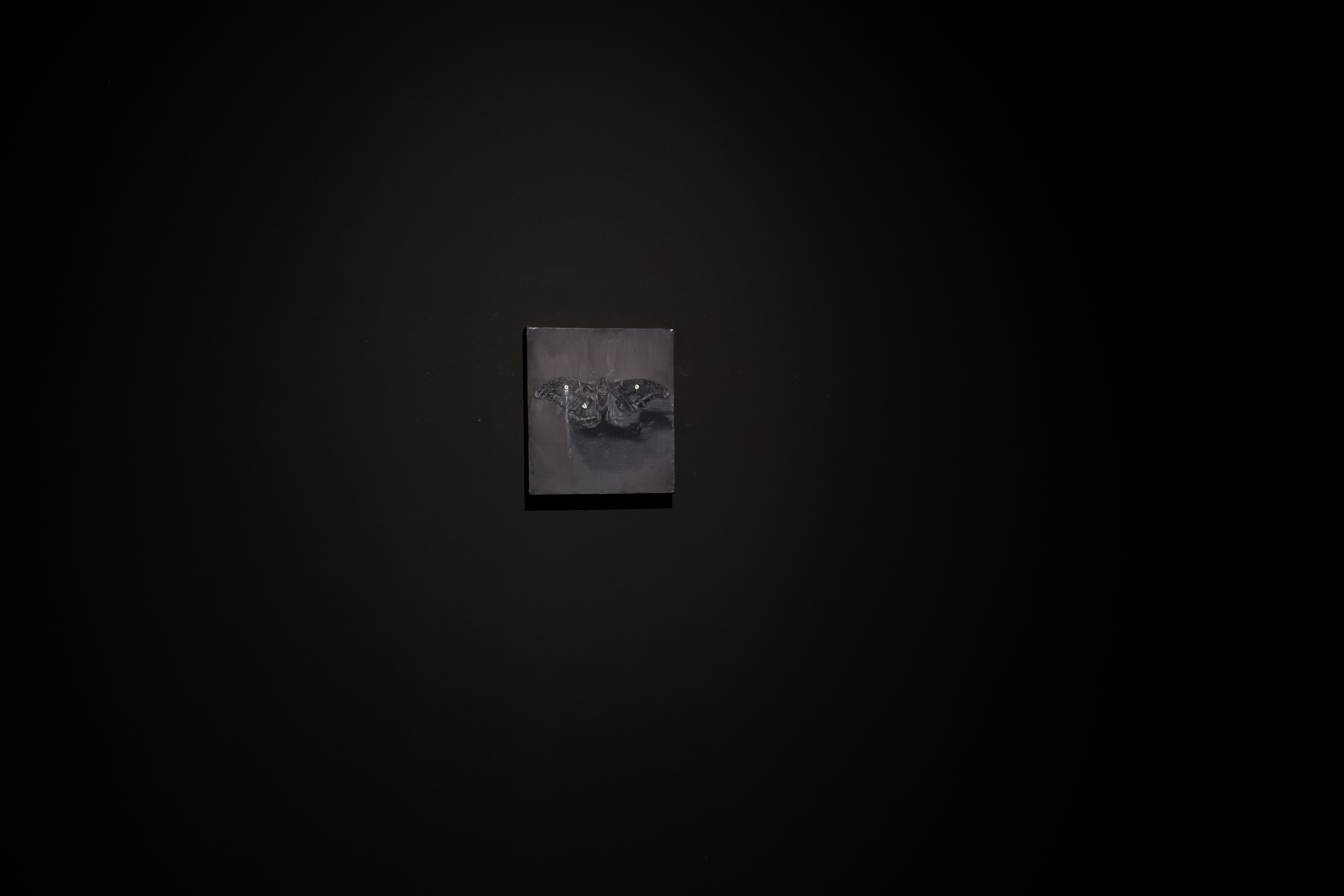
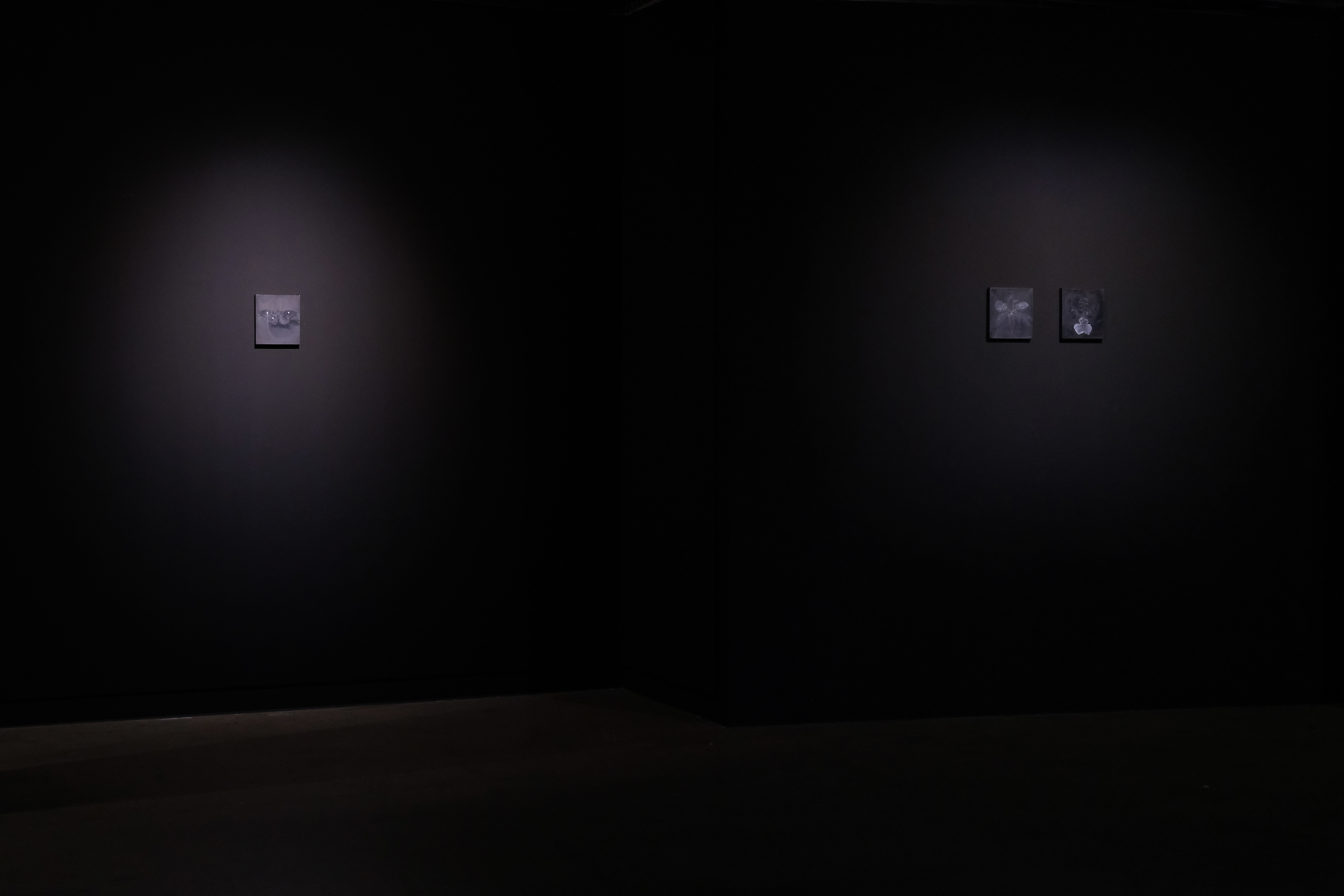
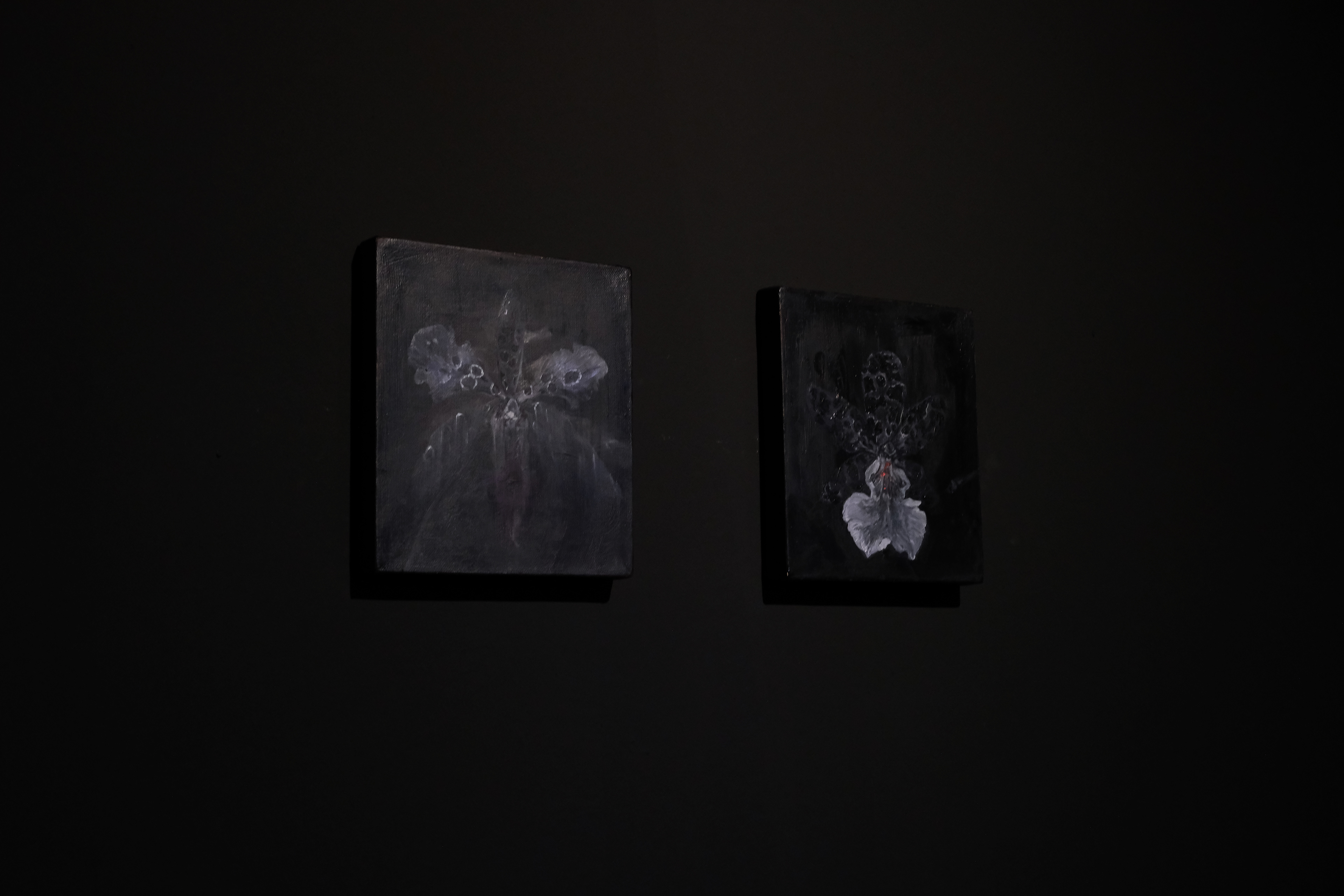
The Nekromantik exhibition problematizes the relationship between nature and art, drawing on Romantic motifs (contemplation of the landscape and the psychophysical parallelism contained within it), and applies them to the current state of ecological threat manifested in the decline or disappearance of the diversity of living organisms. In Gothic approach, the natural environment has always been a significant source of terror, while contemporary eco-Gothicism evokes the specter of climate catastrophe and the destruction of civilization, which will force rapid adaptation to new conditions, far from the idyllic vision of a return to a state of wild nature.
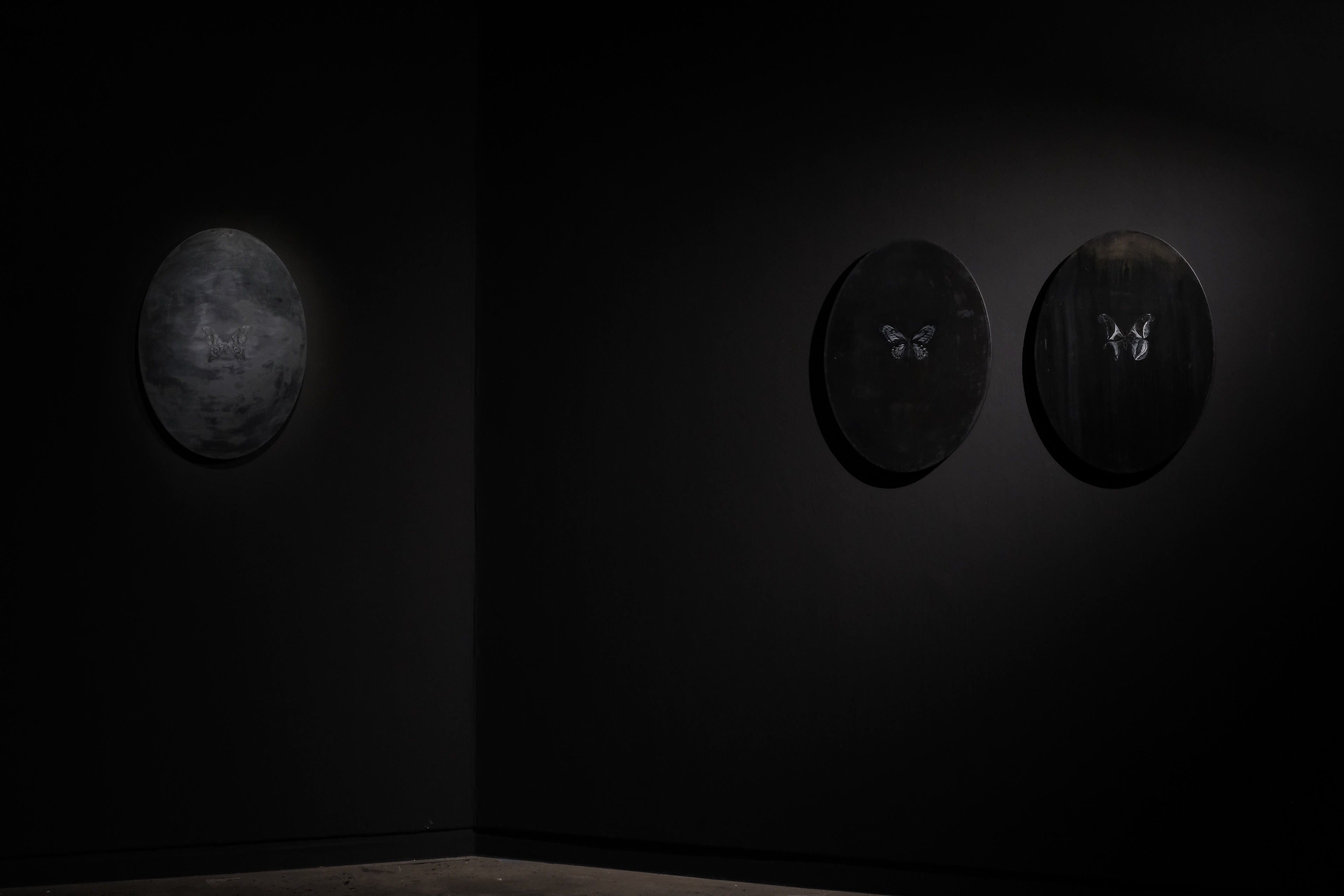
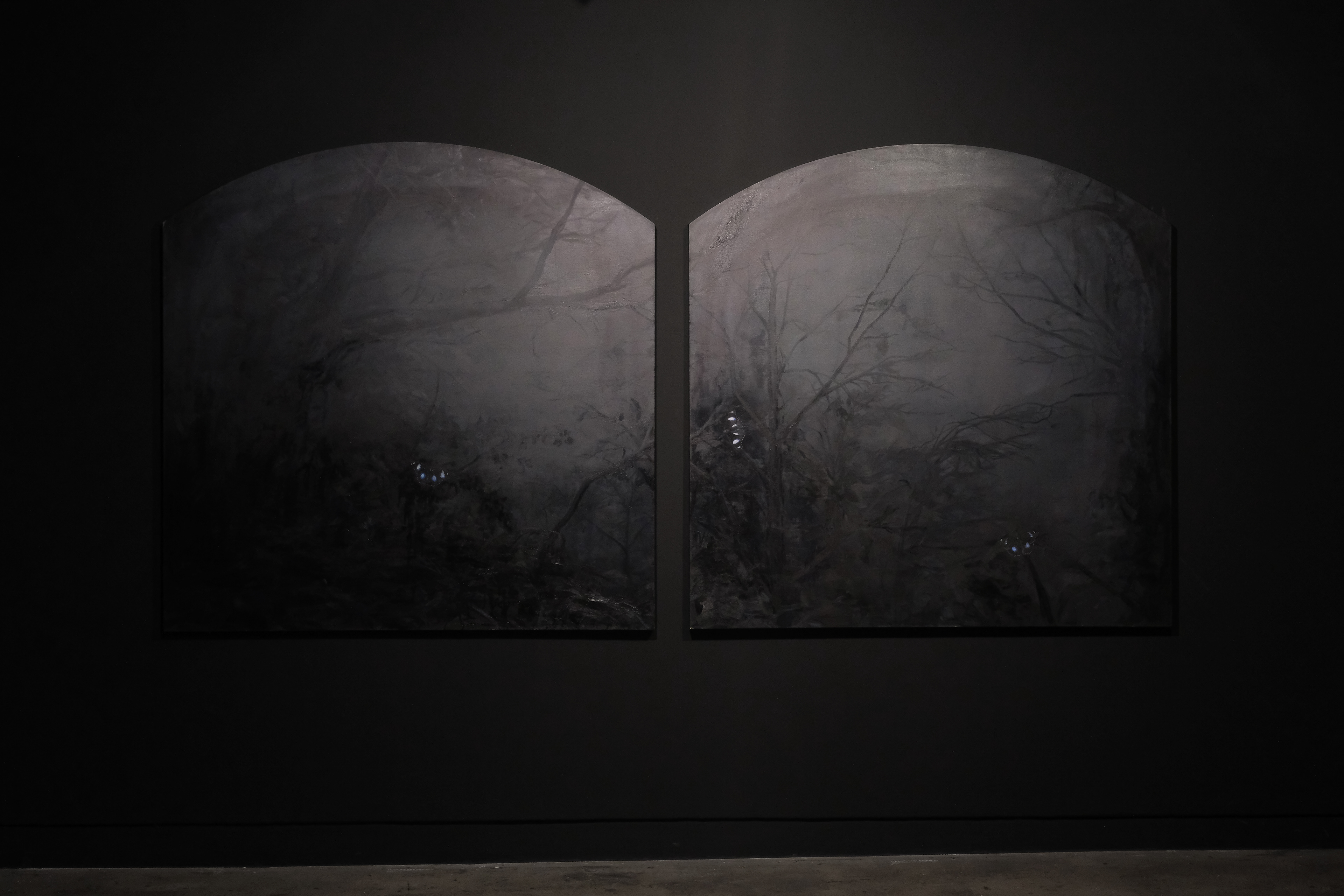
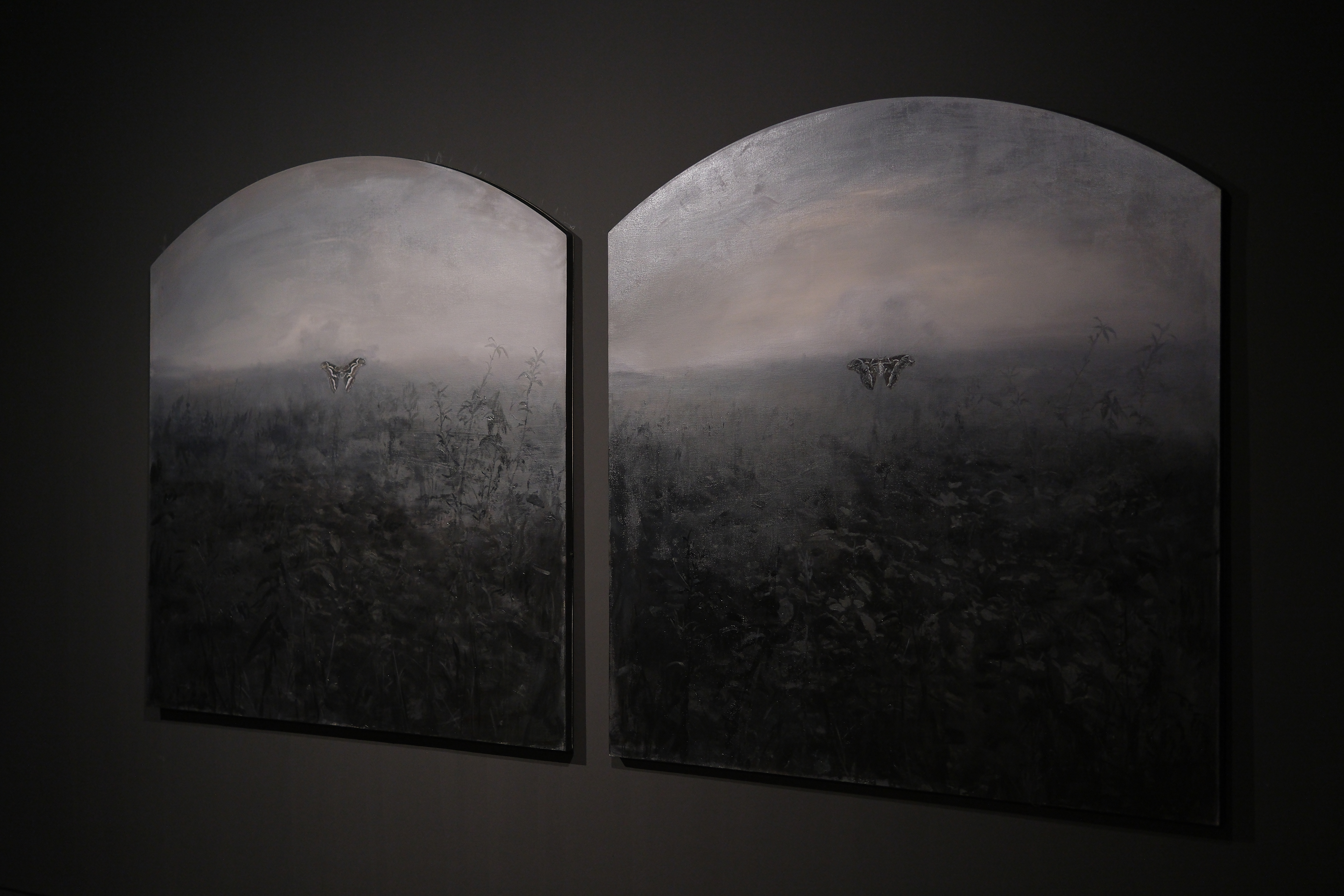
Inspired by stereoscopic photography, technique of taking two almost identical shots from different points of view - each intended for a single eye - allowed for the creation of a three-dimensional impression. This way landscape was domesticated and docilely bent to the human gaze. Instead of bringing us closer, the illusion of depth distanced us, creating a substitute for presence.
Nowadays, inability to recognize what is real and what is artificial, human and non-human, alive or dead, aroused not entirely supressed fear and discomfort of technological progress, as in a classic Gothic novels. Instead of integrating, the paintings splits the views, exposing their artificiality. The landscapes fall apart, as does the notion of a coherent, so-called cyclopean image.
Project funded by the Ministry of Culture and National Heritage through the Young Poland 2025 Programme